


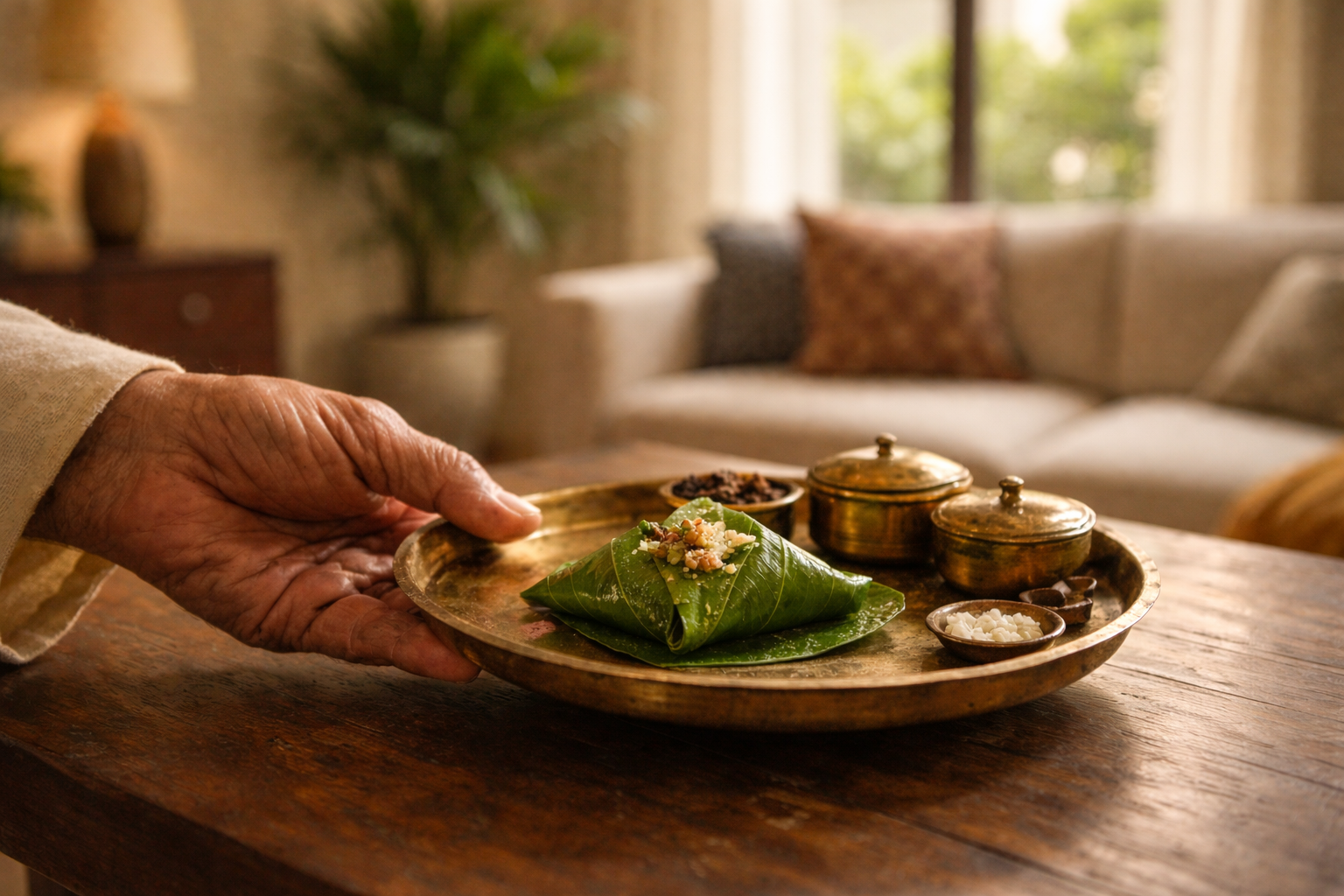
Paan or Betel Leaf: A Leaf That Outlived Empires—and Still Speaks to Ayurvedic Reproductive Care
Ayurvedic Care for the Reproductive System: Understanding the Role of Traditional Paan Rituals
Ayurvedic Care for the Reproductive System: Understanding the Role of Traditional Paan RitualsIn traditional Indian living, care for the reproductive system was never treated as a separate or isolated concern. Ayurveda viewed reproductive health as a reflection of overall balance—of digestion, nourishment, daily routine, and mindful habits.
One such often-overlooked practice in this holistic framework is the traditional paan ritual—not as indulgence, but as a post-meal, digestive-balancing practice that indirectly supported long-term vitality and reproductive wellness.
Why Reproductive Health Begins Beyond Organs
In Ayurveda, the reproductive system (Shukra in men and Artava in women) is considered the final and most refined tissue of the body. Its quality depends on how well earlier processes—digestion, assimilation, and nourishment—are maintained.
This is why classical Ayurvedic care for the reproductive system emphasises:
-
Strong digestive fire (Agni)
-
Proper post-meal routines
-
Balanced daily habits
-
Avoidance of heaviness and stagnation after eating
Traditional paan found its place precisely here.
Paan as a Post-Meal Ayurvedic Practice
Historically, paan was consumed after meals, never randomly. The betel leaf (paan ka patta) was valued for its aromatic and stimulating nature, helping the body gently transition from digestion to rest.
From an Ayurvedic perspective, such post-meal practices were believed to:
-
Support digestive balance after food intake
-
Prevent heaviness and sluggishness
-
Encourage proper assimilation of nutrients
When digestion is supported consistently, the nourishment that reaches the deeper tissues—including reproductive tissues—is considered more refined.
Ayurvedic Rproductiive Care and Digestion - The Great Connection To Be Acknowledged
Ayurveda does not promote quick fixes for reproductive wellness. Instead, it teaches that long-term reproductive balance depends on daily care rituals.
Traditional paan practices aligned with this philosophy by:
-
Encouraging moderation
-
Acting as a gentle closure to meals
-
Supporting routine and discipline
Over time, such habits were understood to help maintain systemic balance—an essential foundation for reproductive health in both men and women.
Cultural Wisdom Behind Paan and Vitality
Across regions—from Mithila and Awadh to Bengal and Deccan—paan was woven into daily life not merely as a taste preference but as cultural wisdom.
In weddings, paan symbolised fertility and continuity.
In households, it marked care and completion.
In royal courts, it reflected refinement and balance.
These associations were not accidental. They echoed the ancient understanding that reproductive vitality is nurtured through consistency, not excess.
What Changed Over Time
Modern versions of paan often drifted away from their roots—becoming heavily processed, artificially flavoured, and consumed without awareness. In doing so, the original intent of paan as a supportive post-meal ritual was lost.
Ayurvedic care for the reproductive system, however, still rests on the same timeless principles:
-
Mindful eating
-
Proper post-meal routines
-
Avoidance of over-stimulation
-
Respect for the body’s natural rhythms
Revisiting Paan as a Lifestyle Insight, Not a Remedy
It is important to clarify: traditional paan was never a medicine. It was a lifestyle practice—part of a broader Ayurvedic approach where daily habits quietly shaped long-term health, including reproductive wellness.
Revisiting such rituals today is not about nostalgia alone. It is about understanding how simple, thoughtful practices supported balance across generations.
Ayurvedic Care for the Reproductive System Is Holistic
True Ayurvedic care for the reproductive system does not begin with supplements or interventions. It begins with:
-
How we eat
-
How we conclude meals
-
How we respect routine
-
How we avoid excess
Traditional paan, when understood correctly, represents this philosophy beautifully—a gentle reminder that small rituals practiced daily can influence deeper vitality over time.
FAQ
Q1. How does Ayurveda view reproductive health?
Ayurveda considers reproductive health as a result of overall balance, good digestion, and consistent daily habits.
Q2. Is paan a medicine in Ayurveda?
No. Traditional paan was a lifestyle and post-meal ritual, not a medicinal treatment.
Q3. Can daily routines impact reproductive wellness?
Yes. Ayurveda emphasises that digestion, routine, and moderation play a key role in supporting reproductive balance over time.
Paan in Classical Formulations for Reproductive Care
Traditional knowledge systems rarely relied on single practices in isolation. Just as paan functioned as a post-meal lifestyle ritual, its core ingredient—the betel leaf—also found a place in classical herbal formulations designed to support long-term reproductive balance.
In Ayurveda, reproductive tissues (Shukra Dhatu) are nourished only after proper digestion, assimilation, and circulation are maintained. Ingredients traditionally associated with stimulation, warmth, and digestive clarity were therefore used thoughtfully in formulations intended for reproductive system care.
This is where paan (betel leaf) assumes deeper relevance—not merely as a cultural habit, but as a botanical valued for its role within composite formulations, where balance and proportion matter more than isolated effects.
From Ritual to Formulation: A Continuum of Thought
At J-AMADA, this same continuum of classical thinking is reflected in formulations such as Reme-Sperma capsules, where betel leaf is used as one of the traditionally recognised ingredients. Its inclusion follows the Ayurvedic principle that reproductive wellness is supported indirectly through digestion, warmth, and systemic balance, rather than direct stimulation alone.
Importantly, such formulations are positioned not as instant solutions, but as supportive measures aligned with classical Ayurvedic understanding, where consistency and lifestyle awareness remain central.
(This reference is based on traditional usage and formulation philosophy. No medicinal claims are made.)




 Know your Dosha